


Check your Energy Performance Certificate online quickly by using your property postcode. You can instantly discover whether an EPC exists, check its rating, and see if it is still valid. This helps homeowners, landlords, and buyers confirm compliance before selling, renting, or making decisions.
You can check an EPC online using just your postcode, with no registration or login required. The postcode search enables you to see whether a property has a valid or expired EPC, along with its rating and expiry date. This is the fastest way to confirm EPC compliance in the UK.
Enter your full UK postcode into the EPC checker. The system searches the official EPC register and matches the postcode to properties associated with that address. You can then select the right property from the list to view its EPC details accurately and securely.
After the selection of the right property, the checker clearly displays the EPC status. You will see whether the certificate is valid or expired, along with the original issue date and expiry date. This makes it easy to confirm if the EPC can still be used for legal and marketing purposes.
If the EPC is still valid, you can view or download the certificate directly for your records or compliance needs. If the EPC has expired or is unavailable, you will be prompted to book a new assessment using the “Book Now” button, allowing immediate action.
An EPC is valid for 10 years from the date of issue. Once expired, it cannot be used for selling, renting, or meeting legal requirements. If your EPC has expired, a “Book Now” button will appear, allowing you to arrange a new EPC assessment instantly. This option only appears when an EPC is expired or missing.
An Energy Performance Certificate (EPC) is an official UK document that shows how energy-efficient a property is. It helps owners, landlords, buyers, and tenants understand energy use, running costs, and environmental impact. An EPC is legally required when selling or renting most residential and commercial properties.
An EPC shows a property’s current energy efficiency rating, potential future rating, estimated energy costs, and carbon emissions. It also includes practical recommendations, such as insulation or heating upgrades, helping property owners understand performance levels and plan realistic energy improvements.
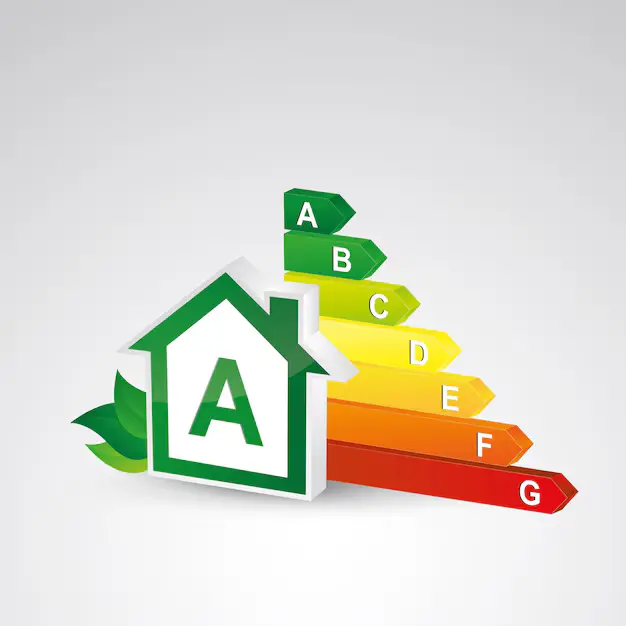
EPC ratings run from A to G. Properties rated A are the most energy-efficient and cheapest to run, while G-rated properties use the most energy and cost more. The rating is calculated using government-approved methods and allows easy comparison with similar UK properties.
An EPC is valid for 10 years from the issue date. It can be reused during this period unless major energy-related improvements are made. Once expired, the EPC is no longer legally valid and must be replaced before selling or renting the property.
Checking an EPC confirms whether it is valid, expired, or missing. An expired EPC can delay property sales or rentals and lead to legal penalties. Using an online EPC postcode checker allows quick verification and immediate action if a new assessment is required.
An EPC is required before a property is marketed for sale in the UK. Buyers must be able to view it early in the process. If the EPC has expired, the property cannot be legally advertised until a new certificate is issued.
Landlords must hold a valid EPC before advertising a rental property. The certificate must meet minimum energy efficiency standards. An expired EPC can prevent legal letting and may result in enforcement action or fines.
Landlords rely on EPCs to comply with Minimum Energy Efficiency Standards (MEES). Regular checks confirm whether a certificate is still valid. If expired, rebooking immediately helps avoid penalties and ensures properties remain legally rentable.
Homeowners use EPCs to understand energy efficiency and improvement options, while buyers use them to compare running costs. An expired EPC removes this transparency and may delay transactions, making early checks important.
Checking an EPC by postcode is the fastest way to locate certificates related to a location. It narrows results quickly, after which the exact address is selected. This method improves accuracy, especially for flats or buildings with similar addresses.
Once your EPC is located, the next steps depend on whether the certificate is valid or expired. The system clearly guides you to download an existing EPC or arrange a new assessment when required.
If your EPC is valid, you can instantly view or download it online. The certificate can be shared with buyers, tenants, or agents and remains usable until its expiry date without further action.
If your EPC has expired or is unavailable, a “Book Now” button will appear. This allows you to arrange a new EPC assessment immediately. This button is shown only when an EPC is expired and never appears alongside a valid certificate.
Your EPC includes personalised recommendations to advance energy efficiency. Common upgrades include insulation, energy-efficient lighting, heating controls, and boiler improvements. Raising your EPC rating can reduce energy costs and increase property value.
Keeping a valid EPC ensures compliance with UK property laws. Expired EPCs cannot be used for selling or renting. Regular checks help prevent fines, transaction delays, and enforcement action.
UK EPC regulations ensure properties meet minimum energy efficiency standards before being sold or rented. An expired EPC puts owners and landlords at risk of fines, delays, and legal action. Regular EPC checks help verify compliance and allow immediate rebooking when certificates are no longer valid.
In England and Wales, most rental properties must have a minimum EPC rating of E under Minimum Energy Efficiency Standards (MEES). Properties rated F or G cannot usually be rented unless a registered exemption applies. An expired EPC makes it impossible to confirm compliance.
Landlords must provide a valid EPC to tenants at the start of a tenancy and ensure it meets MEES requirements. If the EPC has expired, the property cannot be legally advertised or let. Checking EPC status early helps landlords avoid enforcement action and rental delays.
Failing to have a valid EPC can lead to fines of up to £5,000 for residential properties and higher penalties for commercial buildings. Trading Standards may also block sales or lettings. Many compliance issues arise simply because an EPC has expired and was not renewed in time.
Our EPC checker is designed to make compliance simple. It instantly confirms EPC status using official data and only prompts booking when necessary. This smart approach saves time, avoids confusion, and helps property owners to act quickly when an EPC has expired or is missing.
Our EPC checker uses data from the official UK EPC Register. This ensures results are accurate, up to date, and legally reliable. You can confidently view EPC ratings, issue dates, and expiry information without needing to search multiple sources.
By entering a postcode, you can instantly see whether an EPC is valid or expired. There is no login required and no delay. This quick check helps owners, landlords, and agents make immediate decisions without unnecessary steps.
A key feature of our system is the smart booking trigger. The “Book Now” button appears only when an EPC has expired or is unavailable. It is never shown alongside a valid EPC, ensuring clear, compliant actions without pressure or confusion.
Our EPC checker works across England, Wales, and Scotland, covering residential and commercial properties. Whether you manage one home or multiple sites nationwide, you can check EPC status quickly and arrange new assessments wherever they are needed.
If your EPC expires, it can no longer be used for selling, renting, or legal compliance. The system will display a “Book Now” button, allowing you to arrange a new EPC assessment immediately and restore compliance without delay.
The “Book Now” button is hidden when an EPC is still valid. This prevents unnecessary bookings and ensures users only take action when required. If your EPC is active, you can simply download or view the existing certificate.
An EPC is valid for 10 years from the date of issue. It can be reused during this period unless significant energy-related changes are made. Once the certificate expires, a new EPC assessment is legally required.
Yes, checking an EPC online is free. You can search using a postcode or address to view ratings, expiry dates, and certificate details. Payment is only required if you need to book a new EPC assessment.
You only need a new EPC if the existing one has expired or is missing. If your EPC is still valid, it can be reused. If expired, the property cannot be legally marketed until a new certificate is issued.
Yes, a postcode is enough to start an EPC search. The system then lists matching properties so you can select the correct address. This makes the process faster and more accurate, especially for flats or shared buildings.
If your EPC has expired, you must arrange a new assessment. The system will guide you by displaying a “Book Now” option. Acting quickly helps avoid fines, listing delays, and compliance issues.
Most domestic EPC assessments take 30 to 60 minutes, depending on property size and layout. Commercial buildings may take longer due to complexity. After the visit, certificates are usually issued within 24–48 hours.
Most residential and commercial properties need an EPC when sold or rented. Some exemptions apply, such as certain temporary buildings or places of worship. Even where exemptions exist, many owners still choose EPCs for planning and transparency.
Stay informed with the latest EPC regulations, property energy efficiency guidance, and compliance updates across the UK. Our blog covers practical advice for landlords, homeowners, sellers, and businesses from our qualified EPC professionals.