EPC Requirements for Selling a House in the UK
Selling a home comes with enough moving parts, including photos, viewings, solicitor paperwork, timelines, and chains, without a missing document slowing everything down. One of the easiest things to sort early (and one of the most commonly left too late) is the EPC.
This blog discusses the EPC requirements for selling a house in a genuinely practical way: what the rules are, when you need the certificate, how long it lasts, and how to avoid the usual last-minute rush. It’s written for real people who just want to sell smoothly, without getting tripped up by the small stuff.
What an EPC Is and Why Buyers Still Care
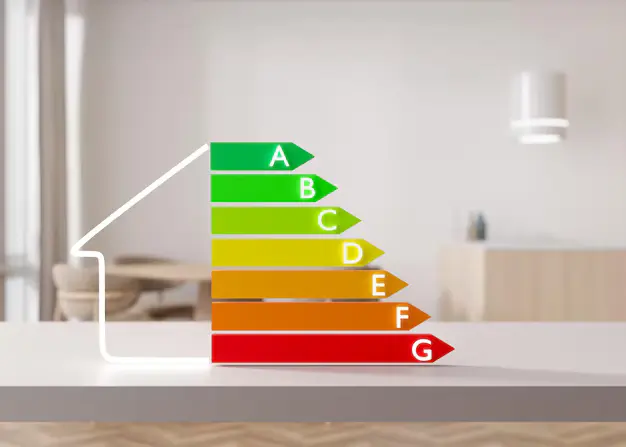
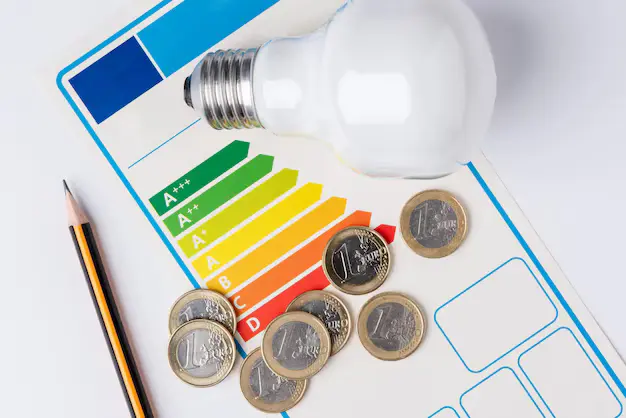
An Energy Performance Certificate (EPC) is an official report that shows how energy-efficient a property is. It gives your property a rating from A (most efficient) to G (least efficient), and it also includes typical energy cost information plus recommended improvements.
Even if a buyer doesn’t base their decision on the EPC alone, it affects how they feel about the home. A better rating often signals comfort and lower running costs. A weaker rating can lead to extra questions about insulation, the boiler, draughts, and future upgrades.

What the EPC shows
An EPC is designed to be easy to read. It gives the current rating, suggests what the rating could be after improvements, and offers recommendations that may reduce bills.
How long does the EPC lasts
In the UK, an EPC is generally valid for 10 years and can be reused during that time if it’s still in date.

Do You Need An EPC To Sell A House?
In most cases, yes, and this is the part that catches sellers out.
If you’re asking, “Do you need an EPC to sell a house?” the practical answer is: you normally need one, and you need it early enough that your marketing is compliant. This is why people search phrases like EPC requirements UK and EPC legal requirement selling a house, because it’s compulsory for most sales.
The key rule: order the EPC before marketing
This matters more than people realise: you must order an EPC before you market your property to sell. So, when you see people talk about EPC before selling a house, that’s the point—don’t wait until photos are done and the listing is ready to go live. Sorting it early keeps everything smoother.
The EPC rating should be shown in adverts
For domestic property marketing guidance, the energy performance indicator (the letter rating, e.g., C) must be stated in advertisements in commercial media.
Most estate agents know this and will handle it, but it’s still worth checking if your listing shows the rating clearly.
How to Get an EPC for Selling a House
If you need an EPC for selling a house, the process is normally straightforward. The biggest win is simply doing it early so it doesn’t become a bottleneck.
Check if you already have a valid EPC
Before you pay for anything, it’s worth checking whether your property already has an EPC on record. Many properties do, especially if they’ve been sold or rented in the last decade.
If it exists and is still within the 10-year validity window, you can usually reuse it as your EPC certificate for selling property.
Book an accredited assessor
If you don’t have one (or it’s expired), you’ll need a new assessment. An EPC is produced by an accredited energy assessor who visits the property to carry out the assessment.
Prepare lightly
You don’t need to “stage” your house like a viewing, but you can prevent delays by making access easy. A few minutes of prep helps the assessor gather accurate information without follow-ups.
Try to ensure access to the boiler, heating controls, and the loft hatch (where safe). If you’ve had upgrades like insulation, a new boiler, or glazing, mention it and share any paperwork if available. That’s often enough.
Use the EPC confidently in your marketing
Once it’s ready and properly lodged, your estate agent can add the rating to the listing, and you can provide the certificate quickly if a buyer or solicitor requests it. This is the smoothest way to stay aligned with selling a house, EPC rules, and avoid any avoidable delays.
What If The EPC Rating Is Low?
This is where sellers worry unnecessarily. A low rating does not usually stop you from selling. The EPC is about disclosure and transparency for buyers, not a “pass/fail” test for the sale itself. The important part is having the certificate in place and marketing correctly.
Will a low EPC rating block the sale?
For most normal residential sales, no. You can still sell, you just may get more questions during viewings, and buyers may factor potential upgrades into their budget.
Where EPC ratings become more restrictive is typically in the rental market because of Minimum Energy Efficiency Standards (MEES). Under MEES, most privately rented homes are expected to meet a minimum EPC rating (commonly E, unless a valid exemption applies), which is why landlords often need to improve lower-rated properties before letting. For a sale, however, the EPC is usually about informing the buyer rather than meeting a letting threshold.

Small improvements that can make the home feel more “future-proof”
If you’re not in a rush and you want the home to present better, minor upgrades can sometimes improve buyer confidence, especially around warmth and running costs. Think along the lines of insulation and heating controls rather than expensive projects.
The key is not to overthink this. Many sellers don’t change anything and still sell successfully; the EPC is simply part of the information pack.
Negotiation and buyer psychology (why EPCs still matter)
Even when buyers love a home, they may use the EPC as a negotiation point, especially if the rating is very low and there are obvious improvements needed. Being prepared helps. If you can explain what’s already been upgraded (new boiler, insulation, glazing), it often reassures buyers immediately.
Exemptions, and the Mistakes That Cause Delays
Are there exemptions to the EPC required to sell property in the UK?
There are exemptions in certain situations, but they’re specific and easy to misunderstand. If you believe you’re exempt, it’s worth checking properly rather than relying on guesswork because marketing without the right certificate can still create problems later.
The most common seller mistakes (and how to avoid them)
Most EPC problems aren’t complicated; they’re usually just timing issues. Here are the three that cause the most delays:
- First, sellers sometimes begin marketing before the EPC has been ordered. Even if everything else is ready, this can slow down the listing process and create unnecessary back-and-forth.
- Second, people rely on an old certificate without checking if it’s still valid. EPCs have a fixed validity period, so it’s always worth checking the date before you assume you’re covered.
- Third, the EPC rating isn’t clearly shown on the advert. Many agents handle this automatically, but it’s still a simple thing you can double-check yourself.
If you do nothing else, handling the EPC before selling a house is one of the easiest ways to avoid avoidable stress and keep your sale moving smoothly.
A Simple Way to Keep Your Sales Smooth
If you want the cleanest possible sales timeline, treat the EPC like a first-step document, right up there with choosing your estate agent and lining up your solicitor. You don’t want to be ready to list and then realise you’re missing something that should have been done at the start.
And if you’re ready to arrange yours, EPC CERTS makes it simple. We provide two core services:
1) Domestic EPC services for homes and apartments
2) Commercial EPC services for non-domestic properties
So whether you’re preparing an EPC for selling a house or you’re handling a business premises sale and need the correct certificate, you can get it booked properly and keep your transaction moving.