

What Is an Energy Performance Certificate (EPC) and Why Is It Important?
In the UK, energy efficiency has emerged as a crucial aspect of property ownership and control. Whether you are selling a home, renting out a flat, or managing a commercial building, one document plays a central role in legal compliance and energy awareness: the Energy Performance Certificate (EPC).
An EPC certificate in UK is more than just a regulatory requirement. It helps property owners, landlords, buyers, and tenants understand how energy-efficient a building is, what it costs to run, and how it can be improved. As energy prices rise and environmental standards tighten, EPCs are becoming increasingly important across the UK property market. This blog article explores what an EPC is, how it works, who needs it, and why it matters.
What Is an Energy Performance Certificate (EPC)?
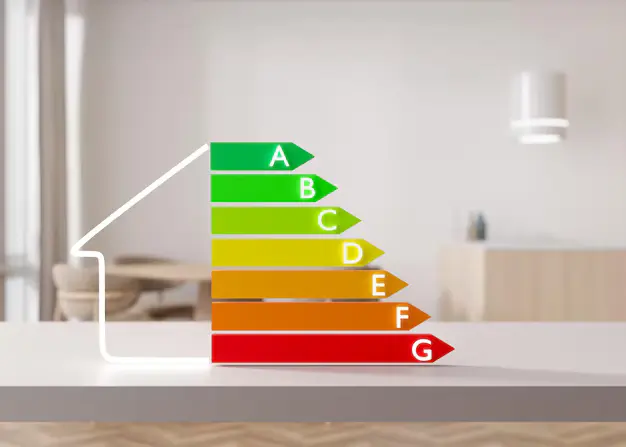
An Energy Performance Certificate (EPC) is a formal document that evaluates a property’s energy efficiency. It provides a clear energy rating from A (most efficient) to G (least efficient) and outlines the building’s typical energy use and environmental impact.
EPCs are issued following an in-person assessment carried out by a government-accredited energy assessor. Once completed, the certificate is lodged on the official UK EPC Register and remains valid for 10 years, unless major energy-related changes are made to the property.
EPC certificates in UK apply to both domestic properties (houses and flats) and commercial or non-domestic buildings (offices, shops, warehouses, and industrial units).
What Information Does an EPC Show?
An EPC is a document that provides practical and simple information about a property’s energy performance. This includes the current EPC rating (A–G), and a potential rating if recommended improvements are made, estimated energy costs for heating, lighting, and hot water, the building’s CO₂ emissions impact, and a list of cost-effective improvement recommendations
These suggestions may include insulation improvements, better heating controls, energy-saving lighting, or replacement of boilers. The improvements are optional in the majority of cases, but they are necessary to improve the ratings and comply with the standards in the future.

What Do EPC Ratings Mean?
EPC ratings show how energy-efficient a property is by using a simple scale from A to G. This system allows homeowners, landlords, and buyers to quickly compare energy performance across different properties.
Properties rated A or B are highly energy-efficient, with lower running costs and reduced environmental impact. C and D ratings represent average efficiency and are common across many UK homes. An E rating is currently the minimum legal requirement for most rental properties under UK regulations. Properties rated F or G are considered inefficient, often leading to higher energy bills and potential legal restrictions.
A higher EPC rating usually means lower energy costs, improved comfort, and stronger appeal in the property market. Lower ratings can affect rental eligibility, resale value, and compliance with UK energy efficiency laws.
Is an EPC a Legal Requirement in the UK?
Yes. In most cases, an EPC is legally required in the UK when a property is being sold, rented, Lease and newly built.
The EPC certificate in the UK must be available before marketing the property and shown to prospective buyers or tenants. This applies to both residential and commercial properties, with limited exemptions such as certain temporary structures or places of worship. In case of failing to provide a valid EPC can lead to financial penalties and delays in property transactions.
Who Needs an EPC?
EPCs are required by an extensive range of people involved in property transactions, including homeowners selling a property, landlords renting out residential or commercial buildings, property developers, letting and estate agents, and commercial property owners and managers.
Tenants and buyers also rely on EPCs to understand expected energy costs and efficiency before committing to a property.
Why is an EPC important?
1. Legal Compliance
The EPC certificate in the UK ensures compliance with UK property and energy regulations. For landlords, EPCs are directly linked to Minimum Energy Efficiency Standards (MEES), which currently require most rented properties to achieve a minimum rating of E. Without having a valid EPC, landlords may be unable to legally rent out a property.
2. Avoiding Fines and Penalties
Marketing or letting a property without a valid EPC can result in fines of up to £5,000 or more, depending on the property type and local authority enforcement. An expired EPC is treated the same as having no EPC at all, making regular checks essential.
3. Lower Energy Bills
EPCs help property owners identify where energy is being wasted and how to reduce running costs. Even small improvements, such as better lighting or insulation, can significantly lower energy bills over time.
4. Increased Property Value and Market Appeal
The properties with greater EPC ratings are usually more reliable to buyers and tenants. A better rating suggests lower energy costs, improved comfort, and future-proof compliance, all of which can positively influence decision-making.
5. Environmental Responsibility
EPCs support the UK’s wider goal of reducing carbon emissions. Improving a property’s energy performance helps lower environmental impact and contributes to national sustainability targets.
EPC Requirements for Landlords in the UK
In the UK, EPC requirements for landlords are a key part of renting property legally. Before a property is marketed or let, landlords must have a valid Energy Performance Certificate in place and provide it to prospective tenants. The EPC shows how energy-efficient the property is and highlights potential improvement measures.
Under the Minimum Energy Efficiency Standards (MEES), most rented properties in England and Wales must achieve a minimum EPC rating of E. Properties rated F or G cannot usually be legally rented unless a registered exemption applies. Failing to meet EPC requirements for landlords can lead to fines, enforcement action, and restrictions on renting the property. Keeping an EPC valid and up to date helps landlords stay compliant, avoid penalties, and improve long-term rental value.

EPC Certificate Cost in the UK
The EPC certificate cost in the UK varies depending on the property type and size. At EPC CERTS, domestic EPC prices start from £89 for 1–3 bedroom properties and go up to £119 for larger homes. Commercial EPCs start from £199, with pricing based on total floor area and building complexity. All prices include the on-site assessment, EPC report, and registration on the official UK EPC Register, with no hidden charges.
Domestic vs Commercial EPCs
The purpose of both is indifferent, domestic and commercial EPCs are assessed differently, as domestic EPCs apply to houses and flats and use RdSAP software, whereas the commercial EPCs apply to non-domestic buildings and use SBEM or iSBEM. Commercial EPCs are often more complex due to larger floor areas, varied usage, and multiple systems, which is why they typically cost more.
How Long Is an EPC Valid?
An EPC is valid for 10 years from the date of issue. You do not need to renew it during this period unless the EPC expires in a couple of cases, major energy improvements are made, and you plan to sell or rent after expiry. Once expired, the EPC cannot be used for legal or marketing purposes.
Conclusion
Energy Performance Certificates are no longer just a formality. They play a critical role in legal compliance, cost control, property value, and sustainability across the UK. Whether you are a homeowner, landlord, or business owner, understanding your EPC helps you make informed decisions, avoid penalties, and plan for the future. With energy regulations tightening and efficiency expectations rising, staying on top of your EPC is one of the simplest ways to protect your property and remain compliant.